An environmental baseline study collates and interprets data on key environmental factors present at a site. This typically includes ecology, water, land, air, and surrounding sensitive receptors. The study establishes a reference point to inform subsequent assessment, mitigation, and monitoring work.
Baseline ecological surveys record habitats, species presence, and ecological features prior to development. These surveys support ecological assessment, inform mitigation and enhancement design, and provide a reference for future ecological monitoring where required.
Baseline environmental data collection involves gathering information on parameters such as air quality, water quality, soil condition, and noise. Data may be collected through site surveys, monitoring, desk-based review, or specialist assessment, and supports environmental assessment and regulatory review processes.
A site baseline study evaluates environmental conditions in the context of site history, current land use, and surrounding influences. This supports feasibility assessment, planning submissions, and environmental due diligence by identifying constraints, sensitivities, and potential risks early.
Baseline findings are presented in a clear environmental baseline report that documents existing conditions, data sources, and methodologies. Reports are structured to support their use in planning, environmental assessment, and future monitoring or comparison work.
Baseline monitoring establishes initial environmental conditions prior to construction or operational change. This provides a benchmark against which future monitoring results can be compared to help assess environmental change over time.
Contact HalpinRobbins for environmental baseline studies, ecological surveys, and baseline data collection across England and Wales. Our team will help you establish clear environmental evidence to support your project.

Effective baseline studies require technical accuracy, consistency, and a clear understanding of how data will be used within planning and assessment processes. HalpinRobbins provides proportionate baseline studies focused on collecting relevant, decision-useful data rather than unnecessary information.
You receive clear reporting, appropriate methodologies, and baseline evidence that integrates smoothly with planning, assessment, and monitoring workflows. Early involvement helps reduce risk, avoid data gaps, and support efficient project progression.
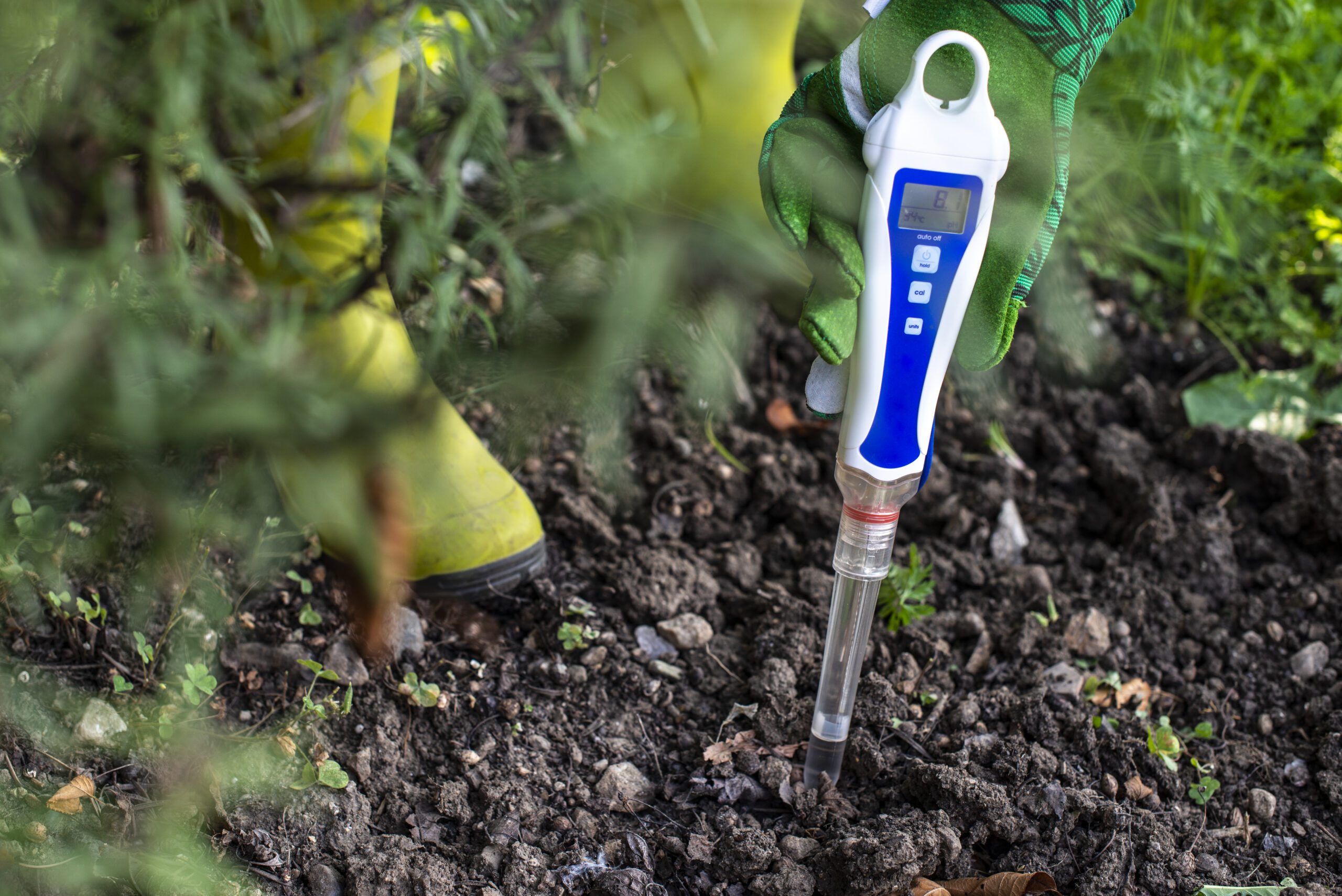
HalpinRobbins delivers environmental baseline studies that establish clear, reliable evidence on existing site conditions prior to development or land use change. Baseline studies provide the foundation for planning, assessment, and monitoring by documenting environmental conditions at an early stage.
Our work brings together ecological, water, soil, air, and wider environmental data to support planning applications, environmental assessments, and environmental due diligence. Robust baseline data reduces uncertainty and provides a sound evidence base for informed decision-making throughout a project lifecycle.
Contact us today to discuss your site.

Environmental baseline studies define existing environmental conditions against which future change can be assessed. They play an important role in planning applications, Environmental Permits, Environmental Impact Assessment (EIA), Habitats Regulations, and longer-term monitoring programmes.
Without a robust and proportionate baseline, it can be difficult to assess potential impacts or for mitigation and monitoring to be designed effectively. Our services show how our baseline data collection and reporting support planning, development, and environmental management from the earliest project stages.

HalpinRobbins provided environmental consultancy support to assist with the preparation of an environmental permit application.

Are you looking for a new website? Contact Outrank Today