Contact Us

Renewable & Low-Carbon Feasibility for Confident Project Decisions

Our Services

Renewable Feasibility Studies

Renewable feasibility studies assess whether a site is suitable for renewable energy development. This includes review of site characteristics, environmental constraints, planning policy context, and regulatory considerations to inform overall project viability.

Solar Feasibility Studies

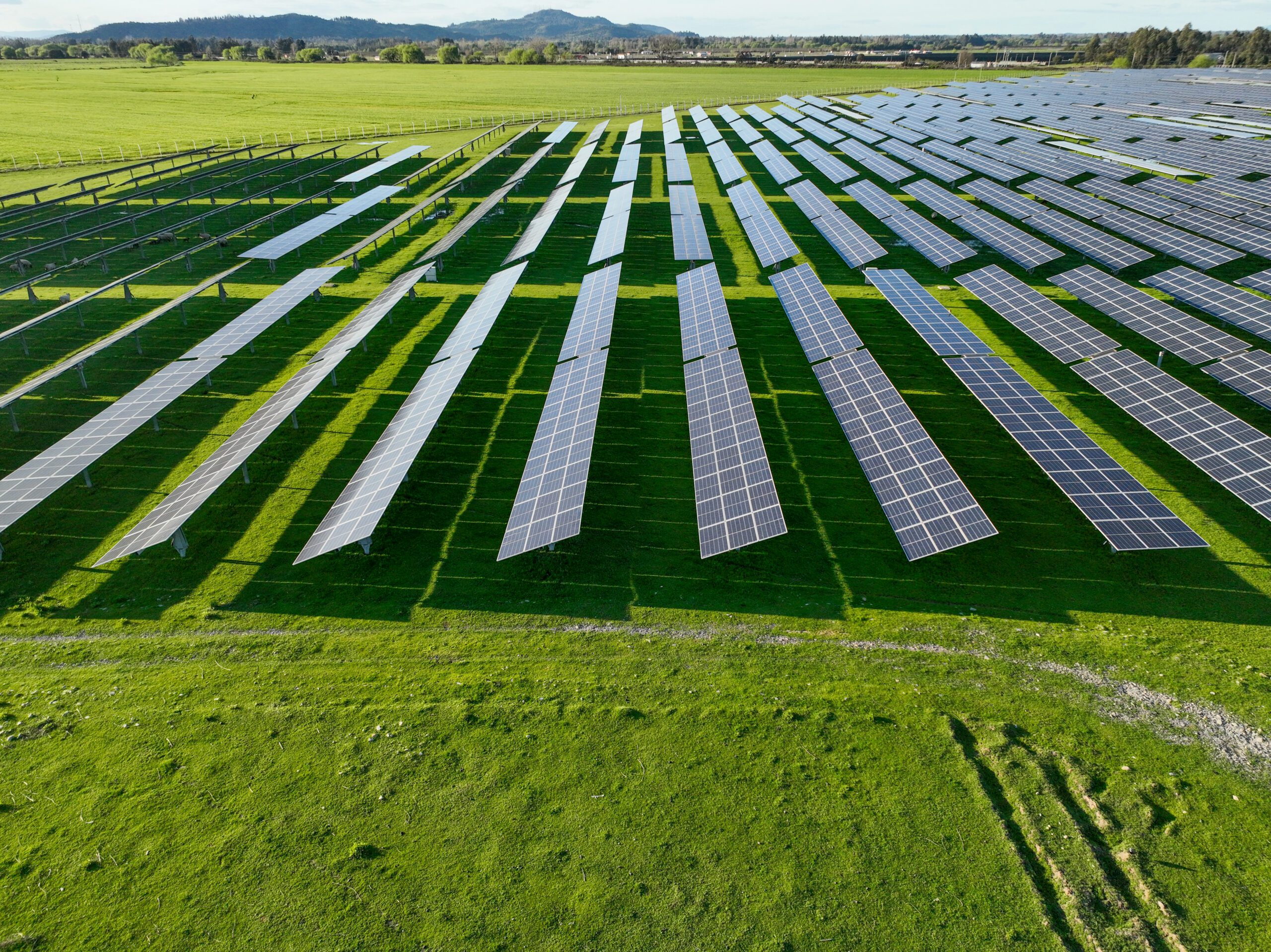
Solar feasibility studies assess solar resource potential, site layout considerations, and environmental or planning constraints. This work supports early understanding of whether a site can accommodate solar development and what factors may influence design and planning outcomes.

Wind Feasibility Studies

Wind feasibility studies review wind resource, site suitability, and constraints related to landscape, ecology, and planning policy. Early assessment supports informed decisions before detailed design, environmental assessment, or investment is progressed.

Renewable Site and Constraints Assessment

Site and constraints assessments identify environmental, ecological, landscape, and planning limitations that may influence renewable or low-carbon development. Early identification of constraints supports realistic project options and reduces planning risk.

Renewable Resource and Options Appraisal

Renewable resource and options appraisal compares different technologies, layouts, or development scenarios to identify the most appropriate approach for a site. This supports strategic decision-making and early project planning.

Speak to Us About Renewable & Low-Carbon Feasibility

Contact HalpinRobbins for renewable feasibility studies, low-carbon technology assessment, and early project planning support across England and Wales. Our team will help you progress with clarity and confidence.

Renewable & Low-Carbon Feasibility | Halpin Robbins

Why Choose Us for Renewable & Low-Carbon Feasibility

Renewable and low-carbon feasibility requires a balance of technical understanding, environmental awareness, and planning knowledge. HalpinRobbins delivers proportionate, practical assessments that focus on deliverability rather than theoretical potential.

You receive clear insight into opportunities and constraints, supported by structured reporting that informs next steps. Early involvement helps reduce planning risk, avoid costly redesign, and support stronger long-term project outcomes.

Renewable & Low-Carbon Feasibility | Halpin Robbins

Renewable & Low-Carbon Feasibility

HalpinRobbins provides renewable and low-carbon feasibility studies to help organisations understand whether a site or proposal is viable before significant investment decisions are made. This service assesses technical potential, environmental constraints, and planning considerations for renewable energy and low-carbon technologies.

Our feasibility work provides clear, evidence-led insight into opportunity, risk, and deliverability, supporting informed decision-making at the earliest stage of project development and aligning proposals with planning policy and regulatory requirements.

Contact us today to discuss your proposal.

Renewable & Low-Carbon Feasibility | Halpin Robbins

Feasibility Insight That Reduces Risk and Supports Early Planning

Early feasibility assessment is critical for renewable and low-carbon projects. Without a clear understanding of constraints and opportunity, projects can face delay, redesign, or poor investment outcomes.


Renewable and low-carbon feasibility studies bring together site conditions, environmental sensitivities, resource availability, grid considerations, and planning policy to provide a realistic view of what a project can achieve. This early insight helps shape concept design, manage risk, and support proportionate engagement with planning authorities and stakeholders.

Our Projects

How Renewable & Low-Carbon Feasibility Studies Support Better Outcomes

How Renewable & Low-Carbon Feasibility Studies Support Better Outcomes

Feasibility studies help identify the most suitable renewable or low-carbon options before significant time or cost is committed. Clear early assessment supports better site selection, realistic programming, and more effective engagement with planning authorities and stakeholders.

Why Early Renewable Assessment Matters

Why Early Renewable Assessment Matters

Early renewable and low-carbon assessment allows constraints and opportunities to be addressed at concept stage. This improves design quality, reduces planning and regulatory risk, and supports informed investment decisions from the outset.