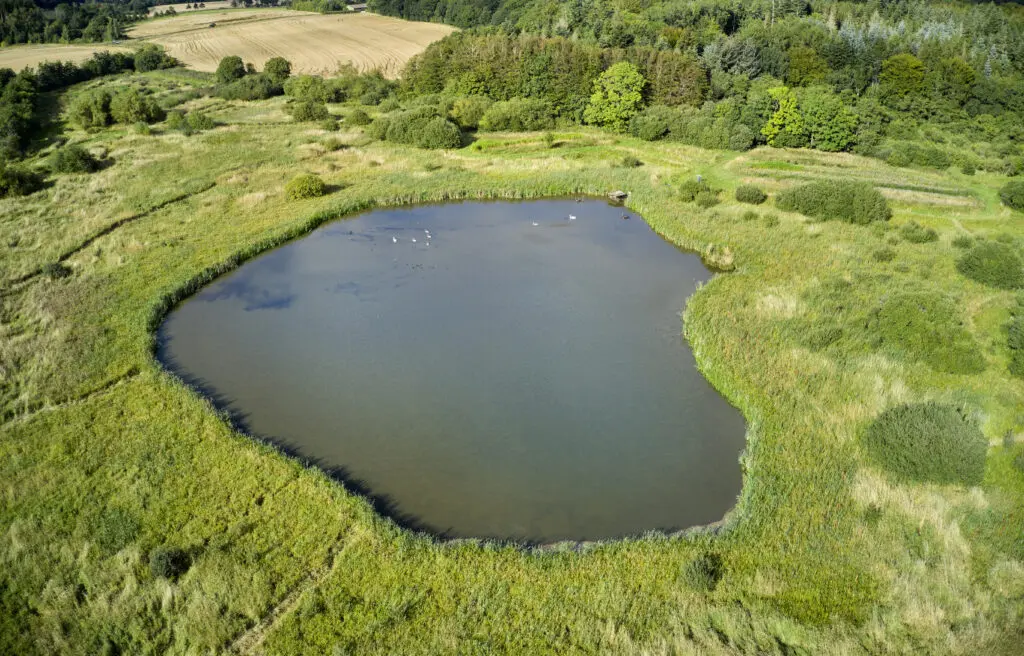
A WFD screening assessment considers whether a proposal has the potential to affect a WFD waterbody or its objectives. This initial review helps determine whether further assessment is required and supports proportionate planning and regulatory decision-making.
Water quality assessment evaluates potential effects on chemical and biological quality elements. This includes review of baseline conditions, identification of pollution pathways, and assessment of how construction or operation may influence surface water quality.
Hydromorphology assessment considers how a proposal may affect river form, flow, sediment processes, and connectivity. This includes assessment of channel modification, structures, and physical alteration, which are key considerations for WFD compliance.
River ecology and aquatic surveys assess habitats, species, and ecological function associated with waterbodies. Survey information supports ecological status assessment and helps identify sensitive receptors that may be affected by development.
Waterbody status review considers existing ecological and chemical classification in line with WFD objectives and River Basin Management Plan data. This provides context for assessing potential effects and supports planning authority and regulator review.
Where potential impacts are identified, mitigation measures are developed to avoid or reduce effects on waterbodies. This may include design changes, pollution prevention controls, or opportunities for enhancement aligned with catchment-level objectives and policy.
Contact HalpinRobbins for Water Framework Directive assessment, water quality review, and WFD compliance support across England and Wales. Our team will help you progress your project with clarity and confidence.
WFD assessment requires technical accuracy and a clear understanding of planning and regulatory processes. HalpinRobbins prepares proportionate, evidence-based assessments written for use by planning officers and regulators.
You receive clear explanation of potential effects, practical mitigation options, and reporting aligned with WFD objectives and planning requirements. Early involvement helps reduce the risk of late-stage objections, redesign, or delay, supporting smoother project progression.
HalpinRobbins provides Water Framework Directive (WFD) assessment support to help developers, infrastructure providers, and planning authorities understand how proposals may affect waterbodies. A WFD assessment considers potential impacts on surface water quality, river ecology, hydromorphology, and overall waterbody status.
This work supports planning applications, infrastructure schemes, and regulatory submissions by providing structured evidence to inform decision-making under the Water Framework Directive, as implemented through the Water Environment (Water Framework Directive) Regulations, and relevant River Basin Management Plans.
The Water Framework Directive requires that development proposals do not cause deterioration in waterbody status and, where relevant, support achievement of ecological objectives set out in River Basin Management Plans. WFD assessment provides a structured review of how a proposal may influence rivers, streams, lakes, canals, transitional waters, or heavily modified waterbodies.
Early WFD assessment helps identify risk, inform proportionate mitigation, and support planning and permitting decisions by the competent authority. Our services address key stages of WFD assessment, from initial screening through to mitigation planning.
HalpinRobbins supported a lake restoration initiative within the Royal Borough of Greenwich through ecological surveys and environmental advice.
Are you looking for a new website? Contact Outrank Today