Halpin Robbins undertakes Ecological Impact Assessments throughout Devon, Somerset, Dorset, Wiltshire and across the South West, helping developers understand ecological constraints and opportunities.
An ecological impact assessment (EcIA) is a critical part of the planning process, providing a structured approach to identifying ecological constraints, evaluating potential effects and informing planning applications.
At HalpinRobbins, we deliver expert ecological impact assessment services across England, supporting developers, planners and the public sector with clear, reliable advice that helps projects progress with confidence.
As an experienced ecological consultancy, we understand how ecological requirements influence development sites, from small-scale projects through to large-scale housing and infrastructure schemes.
Our team provides detailed assessments that align with planning policy, ensuring all ecological issues are properly considered and addressed in a timely and cost-effective manner.
An EcIA assesses the significance of ecological effects arising from a development. This includes evaluating impacts on habitats, species, and ecological networks across construction and operation phases. The assessment provides clear conclusions suitable for planning submission.
Ecological Impact Assessment supports planning applications by translating survey data into impact evaluation. This ensures ecological evidence aligns with planning requirements and policy expectations.
Impact evaluation considers the magnitude, extent, and duration of effects on ecological receptors. Significance assessment places impacts in context, supporting clear and defensible conclusions.
Mitigation planning sets out measures to avoid or reduce adverse ecological effects. Where appropriate, enhancement opportunities are identified to support biodiversity outcomes alongside development.
Ecological impact statements present findings in a clear, structured format. Reports are written for planners and consultees, supporting efficient review and informed decision-making.
Ecological Impact Assessment often forms part of wider environmental assessment work. Integration ensures consistent assumptions, aligned mitigation, and a coordinated approach across disciplines.
Contact HalpinRobbins for Ecological Impact Assessment, ecology impact reporting, and planning support across England and Wales. Our team will help you progress with clarity and confidence.

An ecological impact assessment is a formal process for identifying and evaluating the ecological impacts of a proposed development. It involves assessing habitats, species and ecosystems to determine the potential effects of development and to define appropriate mitigation measures.
The EcIA process typically builds on a preliminary ecological appraisal, supported by ecological surveys such as an extended phase 1 habitat survey and, where required, further surveys for protected species, including breeding birds and other priority species.
These assessments provide the evidence needed to inform planning applications and ensure compliance with relevant legislation.
By identifying ecological constraints early, an ecological assessment allows developers and architects to design schemes that avoid or reduce impacts, while also supporting opportunities for ecological enhancement and biodiversity net gain.

In some cases, an EcIA forms part of a wider environmental impact assessment (EIA), contributing ecological data and analysis to an overall environmental statement.
This is particularly relevant for larger developments where there may be potential impacts on designated sites, habitats of international importance or priority habitats.
Our team works within recognised guidelines to ensure that all ecological aspects of environmental impact are thoroughly assessed.
We evaluate potential effects on habitats and species, considering both direct and indirect impacts, and provide clear recommendations for mitigation and monitoring.
The EcIA process begins with a comprehensive desk study, reviewing existing data, designated sites, planning policy and known ecological interest within and around the site. This first stage helps identify the likely presence of habitats and species and determines the scope of any required surveys.
Following this, we conduct a range of ecological surveys to collect robust data. This may include habitat surveys, protected species surveys and follow-up botanical survey work where priority habitats or particular species are identified.
Where necessary, additional surveys are completed to ensure all ecological requirements are fully addressed.
The survey methodology is carefully designed to meet best-practice guidelines and to provide reliable evidence for the ecological assessment. Once all data has been collected, we evaluate the importance of ecological features, assess potential impacts and define appropriate mitigation measures.

High-quality ecological surveys are essential to a successful ecological impact assessment. Our team conducts both initial and detailed surveys to identify habitats, species, and ecological features across development sites.
We assess the importance of ecosystems at local, regional, and national levels, including designated sites and areas of international importance.
Survey data is used to evaluate potential effects and inform decisions around mitigation, ecological enhancement and biodiversity net gain.
By taking a detailed, pragmatic approach, we ensure that all ecological issues are fully understood and clearly presented in the ecological report.
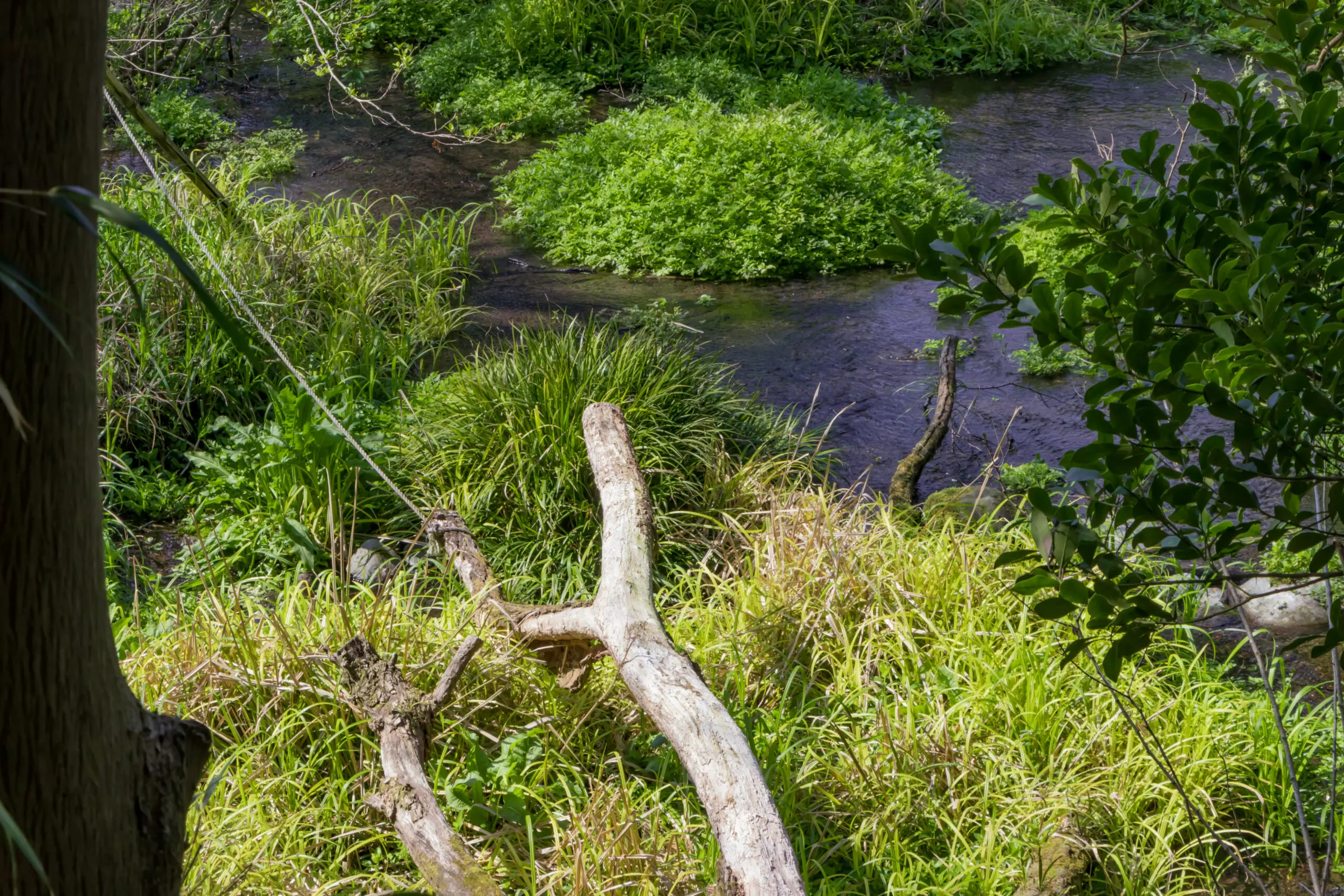
The outcome of the EcIA process is a comprehensive ecological report, which forms part of the planning submission or environmental statement. This report presents the findings of the assessment, including survey data, evaluation of ecological importance and a clear analysis of potential effects.
Our reports provide practical and actionable recommendations, outlining mitigation measures, enhancement strategies and any requirements for ongoing monitoring. Where required, we also support habitats regulations assessment and provide input into wider environmental documentation.
Each ecological report is prepared to a high standard, ensuring it meets the expectations of local planning authorities and supports informed decision-making.
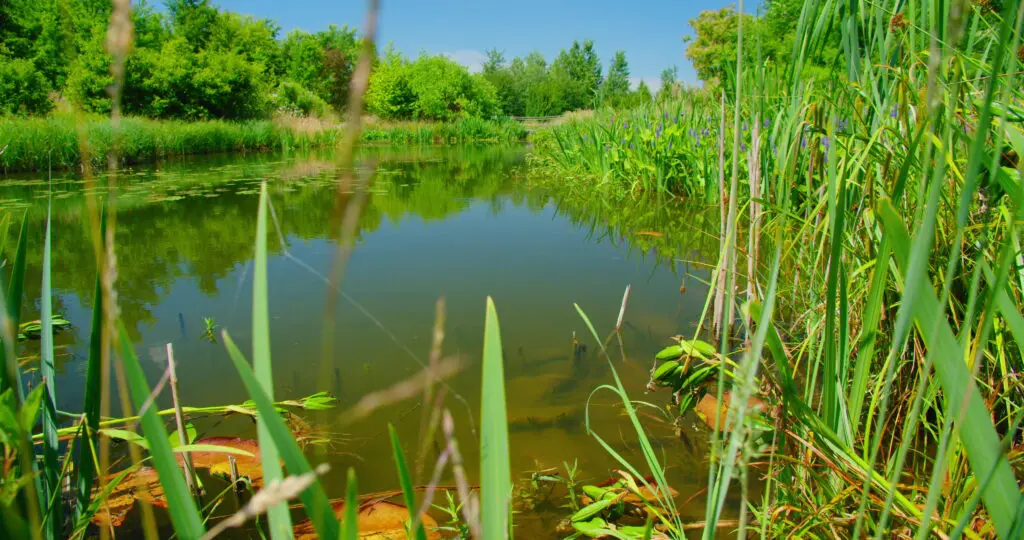
HalpinRobbins undertook ecological surveys across England and Wales to support a portfolio of solar farm developments totalling approximately 1,000MW of generating capacity.
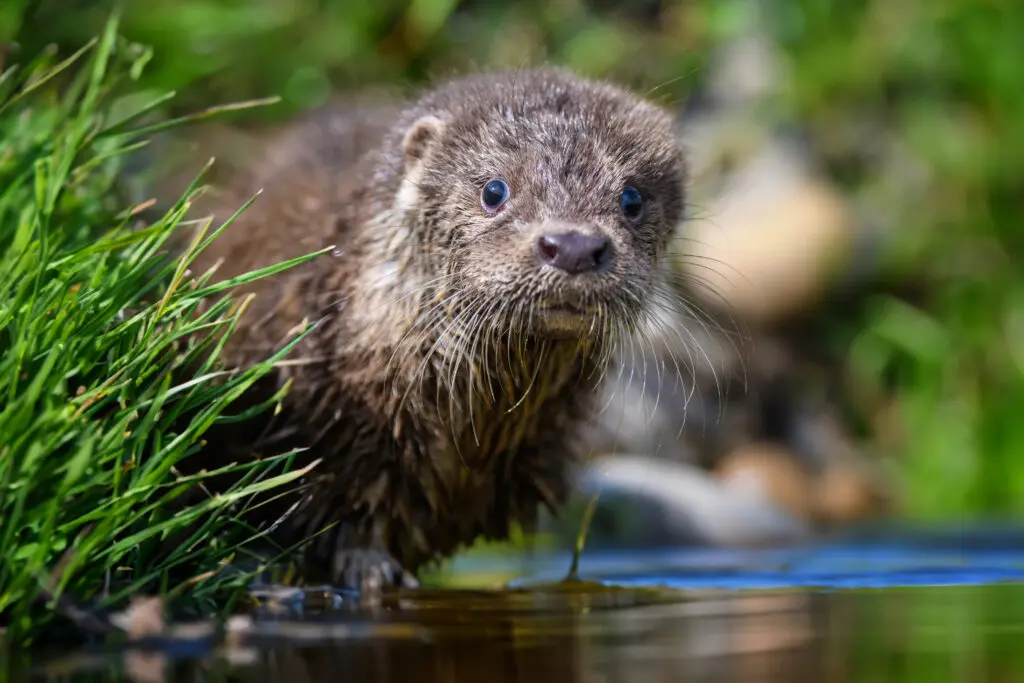
HalpinRobbins delivered an Ecological Impact Assessment to support the restoration of a historic lake and surrounding habitats at Bayham Abbey, Tunbridge Wells.
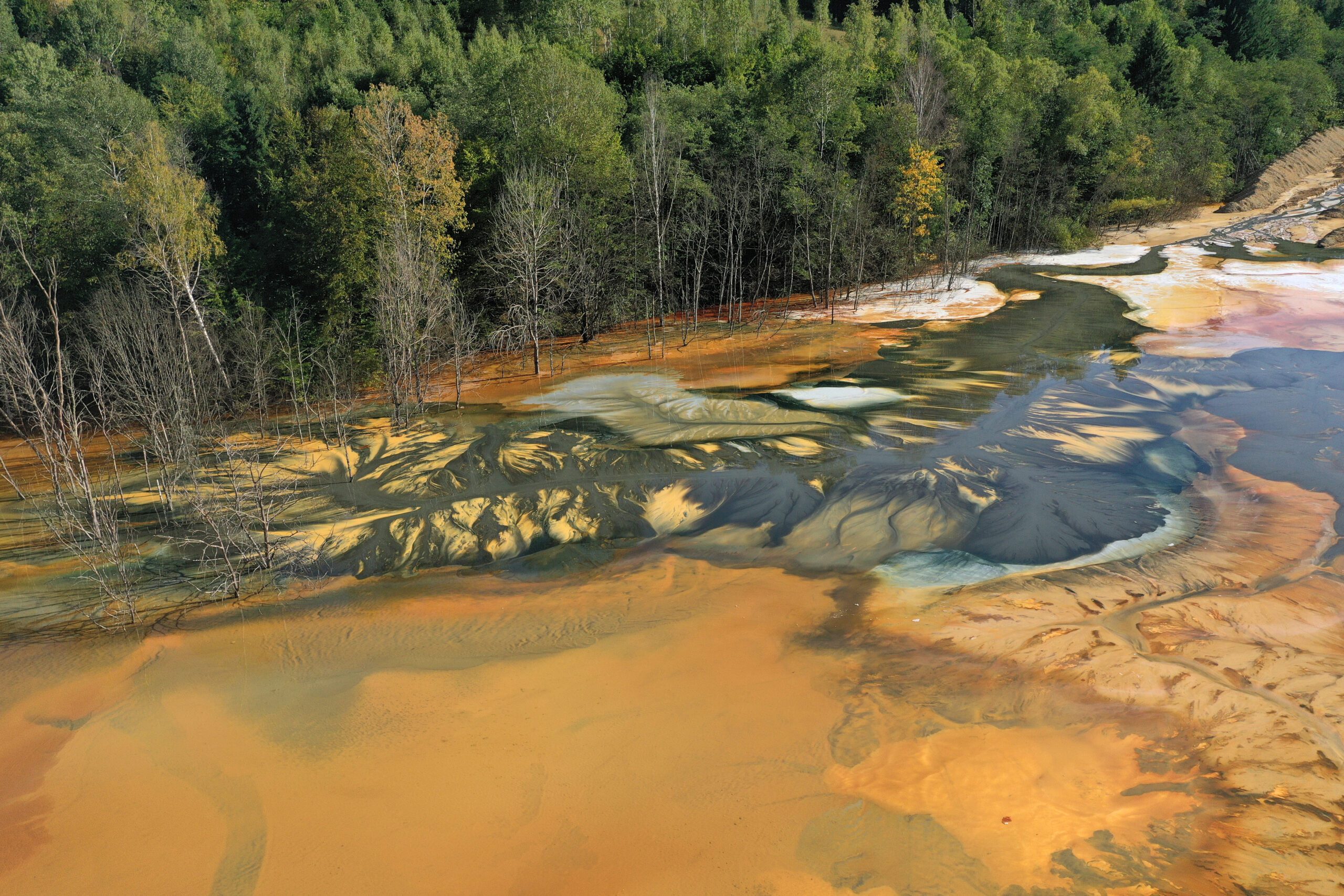
A key part of any ecological impact assessment is defining appropriate mitigation measures to address potential impacts. This may include habitat creation, species protection, timing of works or translocation strategies where habitats or species are affected.
We also focus on delivering ecological enhancement and biodiversity net gain, ensuring that development projects contribute positively to the environment.
By integrating mitigation and enhancement into the design process, we help clients achieve sustainable outcomes that align with planning policy and ecological best practice.
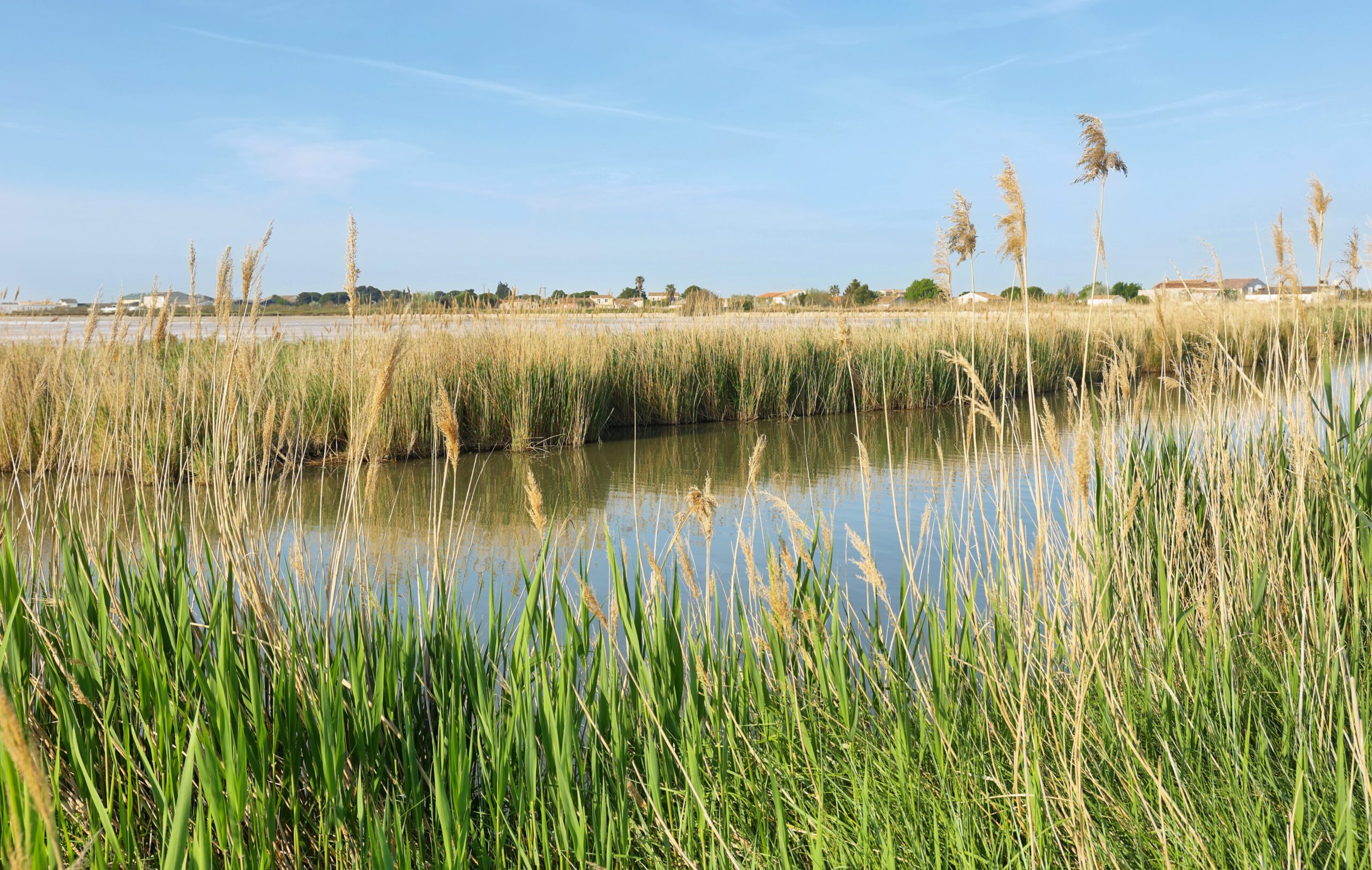
An ecological impact assessment is a vital part of many planning applications, providing the evidence needed to demonstrate that ecological impacts have been properly assessed and addressed.
Our team supports clients throughout the process, from initial site assessment through to submission and beyond.
If you require an ecological impact assessment, ecological surveys or expert ecological consultancy support, contact HalpinRobbins today to discuss your project and how we can help deliver a successful outcome.
Supporting projects throughout Devon, Somerset, Dorset and Wiltshire, our ecological consultants provide clear, evidence-based assessments that help balance development and biodiversity objectives.Supporting projects throughout Devon, Somerset, Dorset and Wiltshire, our ecological consultants provide clear, evidence-based assessments that help balance development and biodiversity objectives.

Are you looking for a new website? Contact Outrank Today