
Getting planning approval often depends on the right ecological survey at the right time — but many projects still face unnecessary delays because ecology is left too late. The truth is: you don’t always need a long list of surveys. Sometimes, you just need clarity.
That’s why most projects begin with a Preliminary Ecological Appraisal (PEA). It’s a simple, early ecological survey that identifies risks and tells you whether you’ll need a protected species survey later.
When is a PEA required?
Most planning authorities now expect ecological information up front, especially where:
- Land vegetation will be cleared
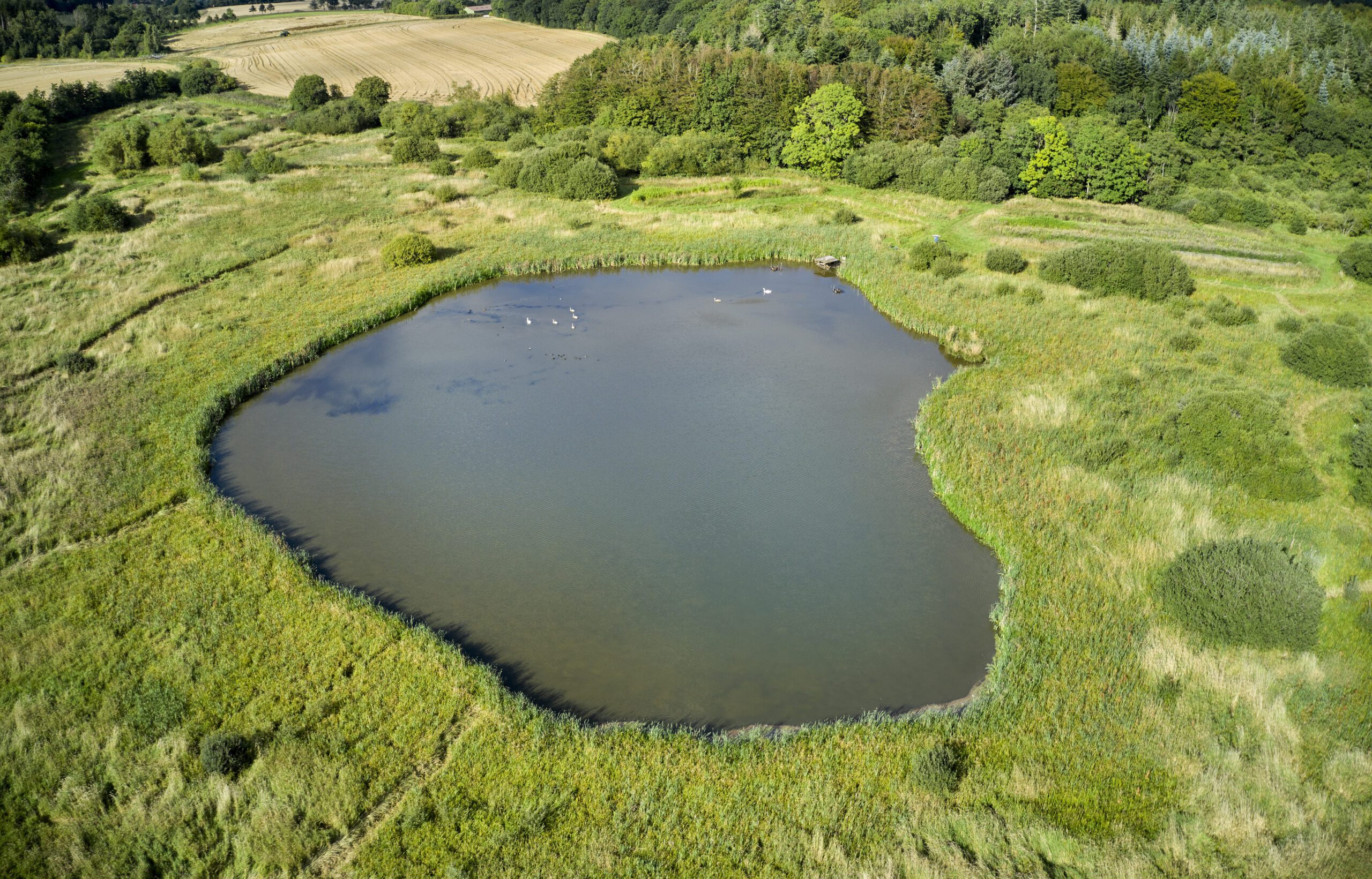
- Water bodies or ponds are nearby
- Buildings are older or unsealed
- New access routes are proposed
A PEA is the first evidence-base that supports planning approval and reduces the risk of a validation delay. Protected species surveys — only if actually needed. A PEA may recommend seasonal surveys for:
- Bats
- Great Crested Newts
- Reptiles
- Breeding or nesting birds
- Badgers
- Water voles or otters
Survey seasons matter.
If these windows are missed, planning may need to wait. Good ecological advice should be:
- Proportionate
- Commercially helpful
- Aligned with survey windows
- Focused on planning progress
Biodiversity Net Gain baselines
With BNG now mandatory, projects require evidence of:
- Habitat baselines
- Habitat condition assessment
- Measurable biodiversity uplift
Completing a baseline survey early prevents expensive offsets later.
Practical next steps
A short ecology conversation can help you:
- Understand what’s essential
- Avoid unnecessary spend
- Time surveys alongside design
- Progress planning approval with confidence
If you want a quick ecological planning review, we’re happy to help.