Environmental permits are required for regulated activities with the potential to impact land, air, or water. We support the preparation of permit applications, including technical risk assessments, management system summaries, and supporting documentation required by regulators. Clear, well-structured submissions help reduce requests for further information and avoid unnecessary delay.
Waste management permitting applies to activities involving the storage, treatment, transfer, or disposal of waste. Support includes identifying the correct permitting route, preparing waste permit applications, and ensuring documentation reflects waste types, quantities, site layout, and operational controls.
Waste activities may be regulated through environmental permits, legacy Waste Management Licences (WMLs), or registered waste exemptions, depending on the scale and nature of the activity. We support organisations by:
Flood Risk Activity Permits (FRAPs) are required for works in, over, under, or near main rivers or flood defences where activities could affect flood risk, flow, or channel stability. This includes works such as outfalls, culverts, river crossings, bank protection, and channel modifications.
We support FRAP applications by identifying permit requirements, preparing supporting technical information, and coordinating submissions in line with Environment Agency or Natural Resources Wales guidance. Early FRAP advice helps avoid delays where development or infrastructure works interact with watercourses or flood defences.
Pollution control permits regulate emissions to air, land, and water from regulated and industrial activities, including installations subject to integrated environmental control requirements. Support includes identifying applicable emission controls, preparing risk assessments, and ensuring permit conditions are understood and integrated into site operations.
Changes to site operations, ownership, or permit scope may require permit variation, transfer, or renewal. We support review of existing permits, preparation of variation or transfer applications, and liaison with regulators to support continued compliance and operational continuity.
Contact HalpinRobbins for environmental permitting, waste management licensing, permit exemptions, Flood Risk Activity Permits, and compliance support across England and Wales. Our team will help you manage regulatory requirements with clarity and confidence.

Environmental permitting requires technical accuracy, sector knowledge, and a clear understanding of regulatory expectations. HalpinRobbins provides structured, proportionate support that helps organisations navigate complex permitting and compliance processes with confidence.
You receive clear guidance, practical documentation, and consistent communication throughout the permitting process. Early involvement helps reduce regulatory risk, avoid enforcement issues, and ensure permits, exemptions, and FRAPs reflect how activities are actually carried out on site.
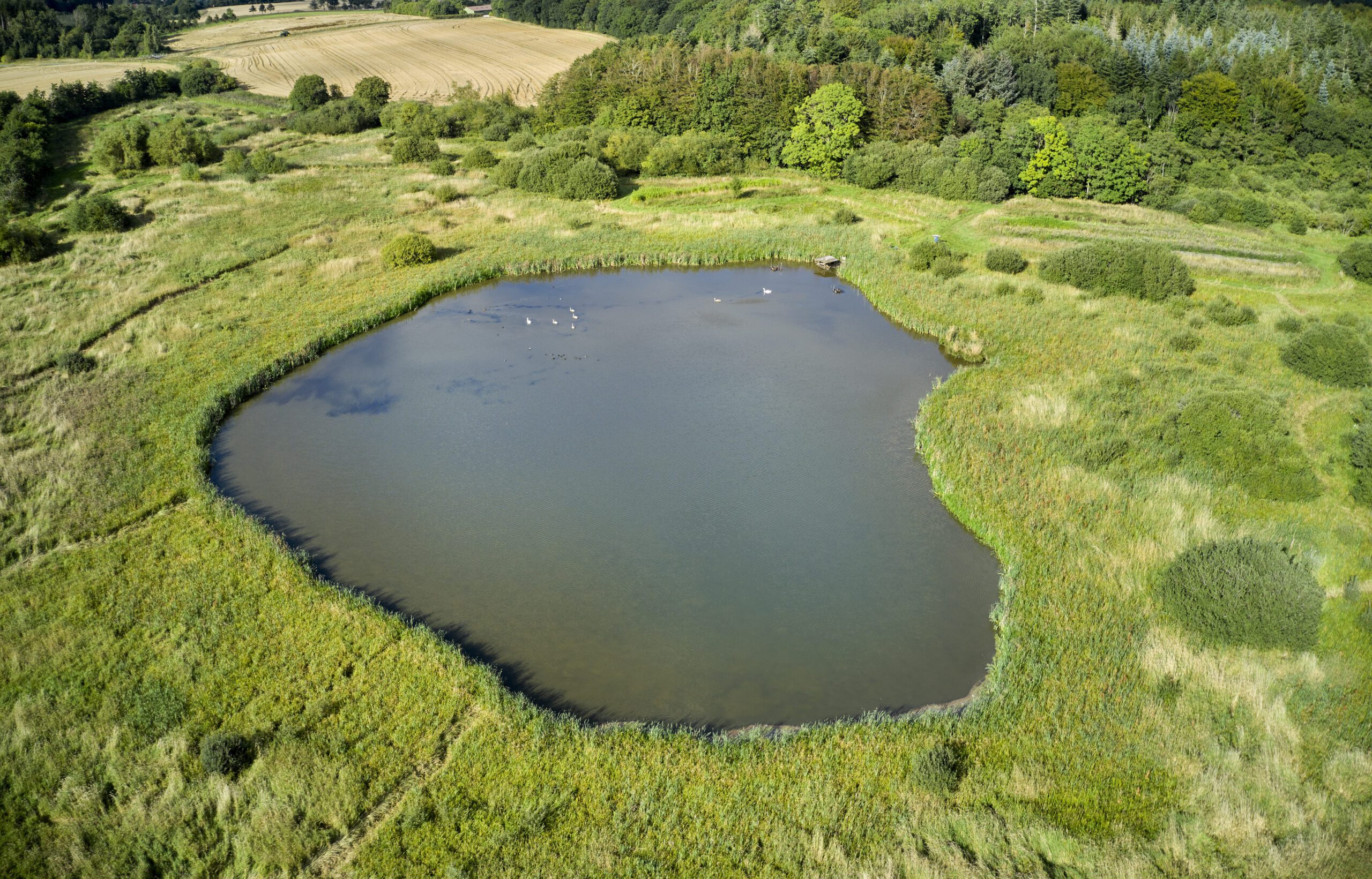
HalpinRobbins provides environmental permitting and compliance support for organisations undertaking regulated activities across sectors including waste management, manufacturing, infrastructure, utilities, and development. Environmental permits control how activities affect land, air, and water and are required for a wide range of operations under the Environmental Permitting (England and Wales) Regulations.
Errors or omissions during the permitting process can lead to delays, enforcement action, or operational restrictions. Our role is to support permit applications, variations, exemptions, and ongoing compliance through clear advice and technically robust documentation aligned with regulator guidance and operational reality.

Environmental permitting requires detailed technical evidence, a clear understanding of regulatory frameworks, and effective engagement with regulators such as the Environment Agency and Natural Resources Wales. Permits, exemptions, and Flood Risk Activity Permits regulate activities including waste operations, industrial processes, discharges, and works affecting watercourses or flood defences.
Early, structured support helps ensure the correct permitting route is identified and that submissions are proportionate, accurate, and aligned with site operations. Our services support the full permit lifecycle, from initial screening and application through to compliance management, variation, transfer, and surrender.

HalpinRobbins provided environmental consultancy support to assist with the preparation of an environmental permit application.

Are you looking for a new website? Contact Outrank Today